April 11, 2026 · 6 min read · By Israel Yanez
How Long Does Ceramic Coating Actually Last? (Real Answer, No BS)
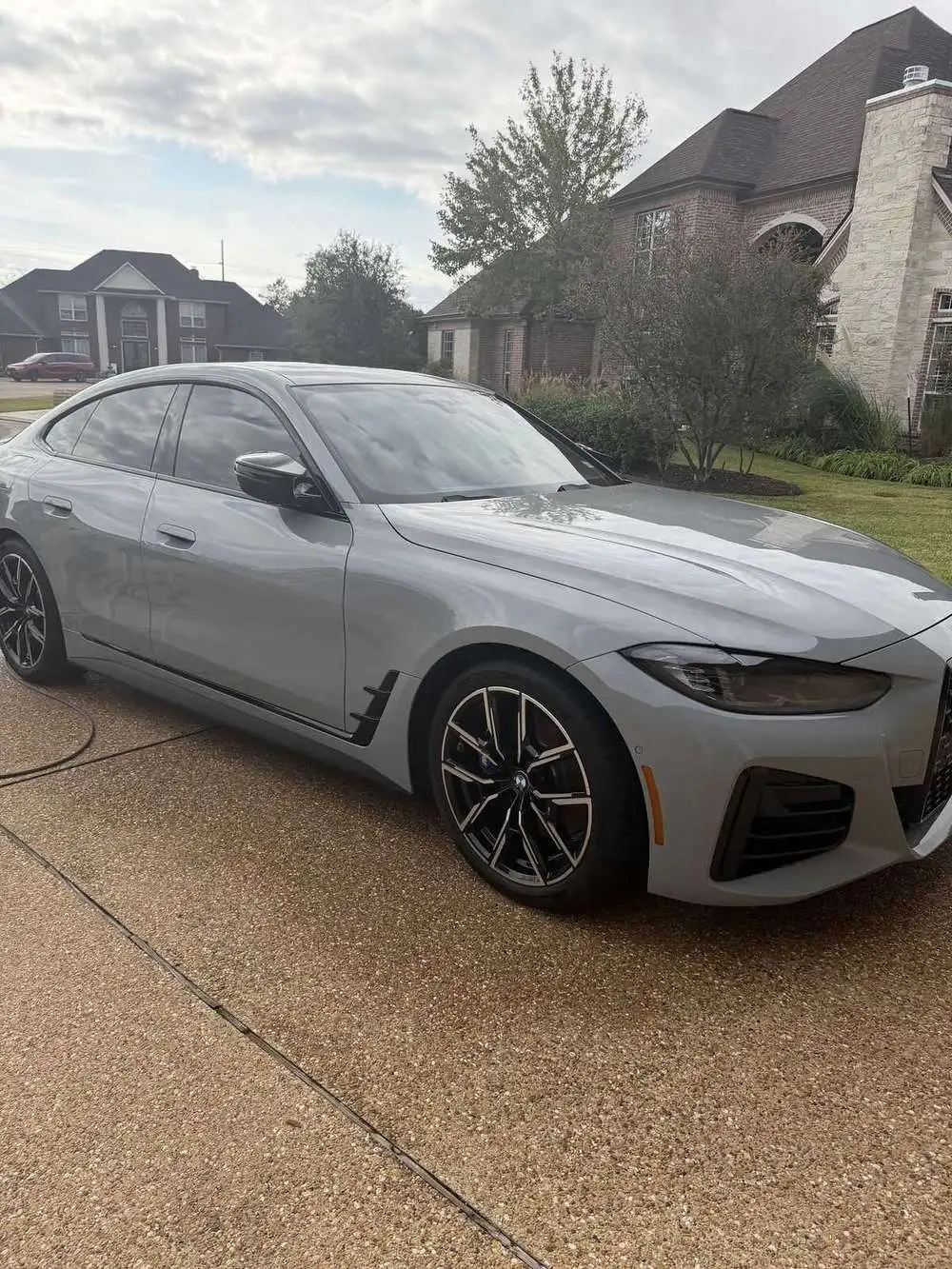
I get this question at least three times a week. Someone sees a ceramic coating ad online that says "lifetime protection" or "permanent shine" and they want to know if it's real. So let me give you the honest answer from someone who actually applies these coatings for a living here in Bryan-College Station.
The Short Answer
It depends on the coating and how you maintain it. That's the real answer. I know it's not the sexy one-liner you were hoping for, but it's the truth.
We offer two coatings at Kurtz Auto Detailing: GYEON EVO (3-year coating) and Adam's Graphene Ceramic Coating (7-year coating). Both are professional-grade products that I apply myself, not consumer stuff you'd grab off Amazon.
Here's the deal. The warranty period on these coatings is realistic IF you take care of them. A 3-year coating will genuinely last 3 years. A 7-year coating can go the full distance. But if you skip maintenance, run it through automatic car washes, and let bird droppings sit on it for weeks? It's going to fail early. Period.
Think of it like tires. A tire rated for 60,000 miles will hit that mark if you rotate them, keep them inflated, and don't do burnouts every weekend. Same concept with ceramic coatings.
What Actually Affects How Long Your Coating Lasts
Not all environments are created equal, and living in Texas means your coating is working harder than one on a garage queen in Seattle. Here's what breaks down coatings faster.
Texas Heat and UV Exposure
BCS summers regularly hit 100°F and above. Your car is sitting in direct sunlight at the H-E-B parking lot, at work, in your driveway. That UV exposure is constant and intense. UV is the number one enemy of any coating because it breaks down the chemical bonds over time. A coating in Texas works about 30% harder than one up north where it sees half the sun exposure. This is exactly why I recommend the graphene coating for anyone who parks outside daily. The graphene formula handles UV significantly better than traditional SiO2 coatings.
How You Wash Your Car
Look, this is the one where people mess up the most. Hand wash? Good. Touchless automatic wash? Fine, it won't hurt the coating. But those automatic car washes with spinning brushes? Your coating is getting destroyed and you don't even know it. Those brushes are dragging dirt and debris across your paint at high speed, physically wearing down the coating layer every single time. I've seen 7-year coatings fail in under 2 years because the owner ran it through a brushed car wash twice a month.
Chemical Exposure
Bird droppings are acidic. Like, genuinely corrosive. If a bird drops one on your coated car and you leave it for a week in 95°F heat, it's going to etch through the coating and into your clear coat. Tree sap from those live oaks all over Bryan? Same story. It bonds to the surface and starts eating through. Gas station splashes, construction dust, even some bug splatter can be chemically harsh enough to degrade the coating if left sitting.
Maintenance Washes (or Lack Thereof)
An annual decontamination wash is not optional if you want your coating to last. Over 12 months, microscopic contaminants embed into the coating surface. Iron particles from brake dust, mineral deposits from water, environmental fallout. A proper decon wash with iron remover and clay removes all of that and lets the coating breathe and perform like it should. Skip this and you're shortening the life of your coating by a year or more, guaranteed.
How to Make Your Ceramic Coating Last as Long as Possible
I tell every single customer the same thing after I finish a coating. Here's the maintenance routine that actually works.
Hand wash or touchless only. Never, ever use a brushed car wash. If you can't hand wash at home, find a touchless automatic. That's it. No exceptions.
Use pH-neutral car soap. Not dish soap. Not whatever's cheapest at Walmart. Dish soap is designed to strip grease and oils, which is exactly what it'll do to your coating. A pH-neutral car shampoo cleans without attacking the coating's chemical structure. I recommend CarPro Reset or Adam's Car Shampoo. They're inexpensive and last months.
Clean bird droppings and sap within 24-48 hours. I know life gets busy. But if you see bird droppings or sap on your car, hit it with a quick detail spray and a microfiber towel. Two minutes of your time can save you from a permanent etch mark. Especially in summer when the heat accelerates the chemical reaction.
Get an annual maintenance wash. Bring it to us once a year. We'll do a full decontamination, iron removal, and apply a booster layer that refreshes the hydrophobic properties and adds another layer of protection. Think of it like an oil change for your coating. Check out our ceramic coating maintenance guide for the full breakdown.
Avoid automatic car washes completely. I'm saying it again because people still do it. The few minutes you save on a quick wash costs you far more in coating damage. Protect your investment.
When to Re-Apply
Your coating will tell you when it's done. You just have to know what to look for.
Water stops beading and sheeting off. This is the most obvious sign. When the coating is fresh, water hits the surface and rolls right off in tight beads. As it wears, the beading gets lazy. The water sits flat instead of rolling. When you wash your car and the water just sits there instead of sheeting off, the coating is on its way out.
The surface feels rough instead of slick. Run your hand across a freshly coated car and it feels like glass. Smooth, slick, almost frictionless. If it starts feeling rough or grabby, that's either contamination buildup or the coating failing. Either way, it needs attention.
You're hitting the warranty mark. Typically around 3 years for the GYEON EVO, 5-7 years for the graphene. Even if the coating still seems okay at these marks, it's worth having us inspect it. We can tell you honestly whether it's still performing or if it's time for a fresh application.
And here's what I won't do: I won't tell you it needs re-doing if it doesn't. That's not how I run my business. If your coating still has life left, I'll tell you that. If it needs a booster, we'll do a booster. Full re-application is only when it's actually necessary.
If you're not sure where your coating stands, the best move is to request a quote for an inspection. We'll take a look and give you an honest assessment. And if you're thinking about getting your first ceramic coating, or you want to combine it with paint correction for a truly flawless finish, check out our full services page or read our post on paint correction vs ceramic coating to figure out what you actually need.