How to Maintain Your Ceramic Coating (So It Actually Lasts)
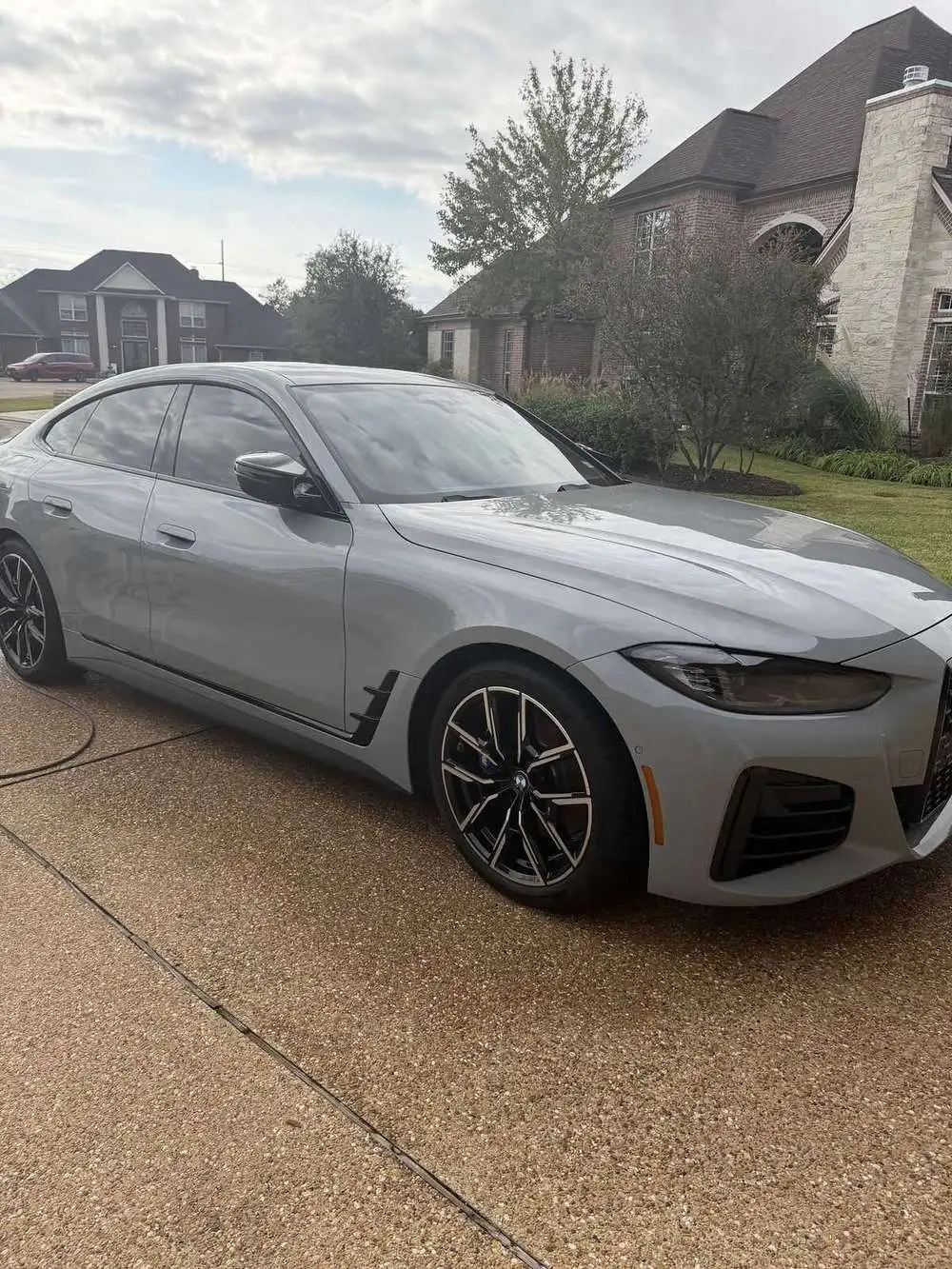
You spent the money. You waited all day while I prepped, corrected, and coated your paint. Your vehicle looks absolutely unreal right now. So what happens next?
That is the question I get from almost every client after a ceramic coating job, and it is a great one. Because here is the truth: how you take care of your coating in the months and years after application is what determines whether it lasts 18 months or 5+ years.
I am going to break down exactly what you need to do, what to avoid, and when to call us. No fluff, just the real maintenance routine I give every single client who drives off with a fresh coating.
Your Coating Isn't Invincible (But It's Close)
Let me get this out of the way first. A ceramic coating makes maintenance way easier, but it is not a force field. It is not going to stop a shopping cart from dinging your door, and it is not going to prevent rock chips on the highway. That is not what it does.
What it does is create a hard, hydrophobic layer on top of your clear coat that prevents contaminants from bonding to the paint. Dirt, pollen, bird droppings, tree sap, road grime -- all that stuff that normally bakes onto unprotected paint? On a coated car, it sits on top and washes off way easier.
People think "ceramic coated" means "never wash again." Wrong. It means "way easier to wash." Big difference. You still need to wash your vehicle regularly. The coating just makes each wash faster, safer, and more effective because you are not scrubbing contaminants that have bonded into the paint.
The Right Way to Wash a Coated Vehicle
This is where most people mess up. They get a coating and then take it straight through the nearest automatic car wash. Please do not do that. Here is how to wash your coated vehicle properly:
Two-bucket method or foam cannon + microfiber wash mitt. Fill one bucket with soapy water, one with clean rinse water. Dip the mitt in soap, wash a panel, rinse the mitt in the clean bucket, repeat. If you have a foam cannon and pressure washer, even better -- lay down a thick foam layer first and let it dwell for a few minutes before touching the paint.
Use pH-neutral car soap only. No dish soap. No all-purpose cleaners. No whatever was on sale at the gas station. A quality pH-neutral car shampoo is the only thing that should touch your coated paint. Anything else can degrade the coating over time.
Pre-rinse before you touch the paint. Before your mitt ever makes contact, hit the entire vehicle with a thorough rinse. This lifts and removes loose dirt, dust, and debris. If you skip this step and go straight to washing, you are dragging that grit across the surface. That is how you get scratches -- even on a coated car.
Dry with a clean waffle-weave microfiber towel or air blower. Never a chamois. Never a bath towel. Never let it air dry (water spots). A quality waffle-weave towel absorbs water without dragging across the surface. If you want to go the extra mile, a dedicated car dryer blower works great and is completely touchless.
Wash every 2 weeks here in Texas. I know that sounds like a lot, but living in Bryan-College Station, the pollen, dust, and heat are absolutely relentless. During pollen season (March through May), you might want to rinse even more often. Every 2 weeks is the sweet spot for keeping your coating performing at its best in the BCS climate.
Pro tip: wash in the shade or early morning. Never wash in direct sun. The soap dries on the surface before you can rinse it, leaving spots and residue. Early morning or a shaded driveway is ideal. If you do not have shade, wait for an overcast day or do it after sundown.
Products to Use (and Products to Avoid)
Not all products are safe for coated vehicles. Here is the short list.
Use These
- pH-neutral car shampoo -- this is non-negotiable for every wash
- Spray sealant boosters -- products like Gyeon Cure or Gyeon Bathe+ are specifically designed to maintain and refresh ceramic coatings. Use them every 2-3 months.
- Quality microfiber towels -- 300-400 GSM minimum. Wash them separately, no fabric softener, and replace them when they start feeling rough.
Avoid These
- Wax -- unnecessary on a coated car and can actually interfere with the coating's hydrophobic properties. Your coating IS the protection layer. Adding wax on top is redundant at best and counterproductive at worst.
- Abrasive compounds and polishes -- these are designed to remove material from the surface. On a coated car, that means removing the coating itself. Unless you are doing intentional paint correction (which means removing and reapplying the coating), stay away.
- Harsh chemicals and degreasers -- strong alkaline or acidic cleaners break down the coating's chemical bonds over time.
- Automatic car washes with brushes -- I cannot stress this enough. Automatic car washes with spinning brushes are the number one killer of ceramic coatings. Those brushes are filthy and will put scratches right through your coating. Every car before yours left dirt and debris on those bristles. Now all of that is being slapped across your coated paint at high speed. If you absolutely must use an automatic wash, touchless only. But hand washing is always better.
What to Do When Things Go Wrong
Life happens. You are going to park under a tree, a bird is going to find your hood, and bugs are going to kamikaze into your bumper on Highway 6. Here is how to handle each situation on a coated vehicle.
Bird droppings: clean within 24-48 hours. This is the big one. Bird droppings are acidic, and if left on any surface long enough, that acid will etch through a ceramic coating. The coating buys you time -- on unprotected paint, damage can happen in hours. But do not push it. Spot-clean with a quick detailer spray and a microfiber towel as soon as you notice it.
Tree sap: use a dedicated sap remover. Do not try to scrub it off with a dry towel. You will scratch the coating and probably not even get the sap off. Apply a proper sap remover, let it dwell, and gently wipe away. If you are dealing with heavy sap from those live oaks all over BCS, give us a call and we will take care of it properly.
Water spots: usually wipe off easy. One of the best things about a coating is that water spots typically wipe right off with a damp microfiber. On uncoated paint, mineral deposits bond to the surface and require compound to remove. On a coated car, a quick wipe usually handles it. If you are getting stubborn water spots that will not come off, that is a sign you need a professional decontamination -- reach out to us.
Bug splatter: foam and soak before wiping. Never scrub dried bugs. Spray the area with your foam cannon or a dedicated bug remover, let it soak for 3-5 minutes, and then gently wipe. Scrubbing dried bug guts with a dry towel is a guaranteed way to put micro-scratches in any surface, coated or not.
When to Get Professional Maintenance
Even with perfect at-home care, your coating benefits from professional maintenance. Here is what I recommend to every client.
Annual decontamination wash and coating inspection. Once a year, bring your vehicle to us (or we will come to you -- we are mobile, remember). We do a full decontamination wash, clay bar treatment, and thorough inspection of the coating's condition. We check for areas where the coating may be wearing thin, spots that need attention, and overall hydrophobic performance.
Booster layer reapplication. After decontamination, we apply a fresh booster layer across the entire vehicle. Think of it like topping off the coating's protection. This maintains the hydrophobic properties, refreshes the gloss, and extends the life of the original coating significantly.
This is the difference between a coating lasting 3 years and lasting 5+. I have seen coatings fail at 18 months because the owner never maintained them. Automatic car washes every week, no decontamination, no boosters. The coating did not stand a chance. On the flip side, I have also seen 3-year coatings still going strong at 4.5 years because the client followed the care routine and came in for annual maintenance. The coating does its job when you do yours.
The Bottom Line
Maintaining a ceramic coating is not complicated. Wash it right, use the right products, deal with contaminants quickly, and get professional maintenance once a year. That is it. You do not need a PhD in chemistry. You just need to care enough to follow a simple routine.
If you are thinking about getting a coating, check out our ceramic coating service to see what we offer. Curious about whether your paint needs correction first? Read about paint correction or our breakdown of paint correction vs. ceramic coating. And if you want to know how long a coating actually lasts under real-world conditions, we covered that in our post on how long ceramic coating lasts.
Already have a coating and it has been a while since your last maintenance wash? Get a quote or call me at (979) 574-2005. We will get your coating back to performing like day one.